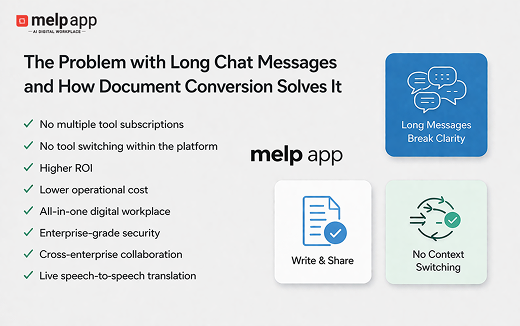
MelpApp: A Game-Changer for Team Communication and Collaboration
In today’s fast-paced business world, effective communication and collaboration are essential for success

In today’s fast-paced business world, effective communication and collaboration are essential for success
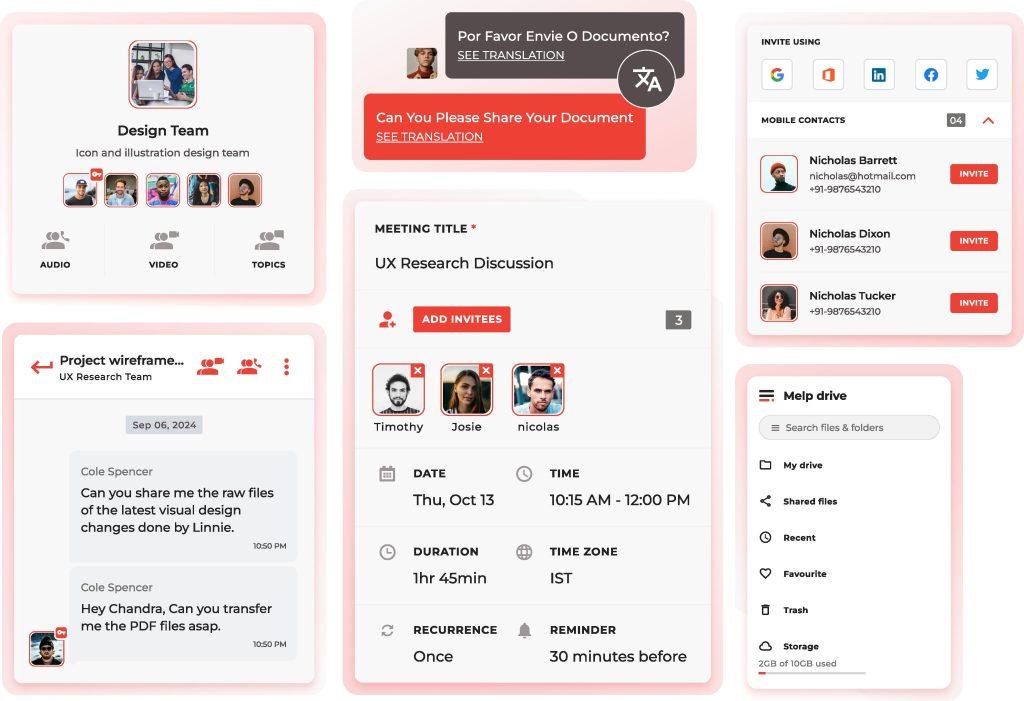
Let me ask you something. Are you a business owner? Are you a team lead? Are you a member of a team? If you are any of these, let me directly put it

To add featured content go to Theme Options -> Homepage (Featured) and turn the switch on then add the content you want for each section.
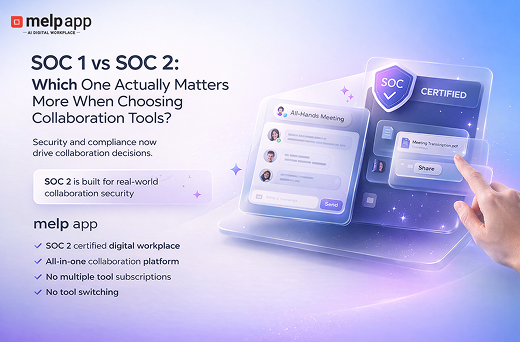
Why SOC Compliance Is No Longer Optional for Collaboration Tools When businesses evaluate collaboration tools today, the conversation is no longer just about features or pricing. Security, data handling, and compliance have become central to decision-making, especially for organizations that deal with sensitive information or operate across multiple teams and partners. Leaders across startups, mid-sized
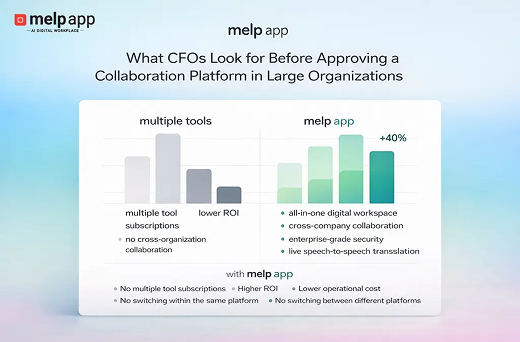
In large organizations, the decision to adopt a collaboration platform rarely begins with features and interfaces, but rather with financial clarity and long-term business impact. CFOs evaluate these platforms through a lens that balances cost, risk, efficiency, and measurable outcomes. As companies grow and expand across regions, the need for seamless collaboration becomes more complex,
When Collaboration Starts Breaking at Scale, It’s Not Obvious at First In large organizations with 1000 to 10000 employees, collaboration problems do not appear suddenly. They build up slowly as teams expand, departments become more specialized, and communication flows become layered. What initially feels like a small delay in updates or approvals gradually turns into
Why Most Mid-Sized Companies Struggle Before They Even Choose a Tool Mid-sized companies with 250 to 1000 employees often reach a point where communication starts breaking down without anyone noticing it immediately. Teams grow, departments expand, and suddenly, what used to work earlier no longer fits the scale. Founders, CEOs, and IT managers begin to
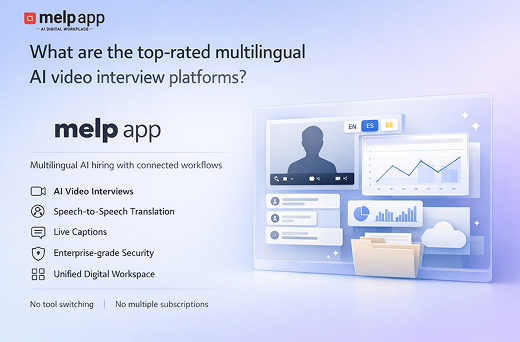
Top-rated multilingual AI video interview platforms include HireVue, VidCruiter, Harver, Sapia.ai, Interviewer.AI, Spark Hire, Jobma, and ZappyVue. These platforms are widely used for global hiring, offering AI-based video interviews, multilingual transcription, and automated candidate screening. They help organizations conduct interviews across different languages and regions while improving hiring speed and consistency. However, most of these
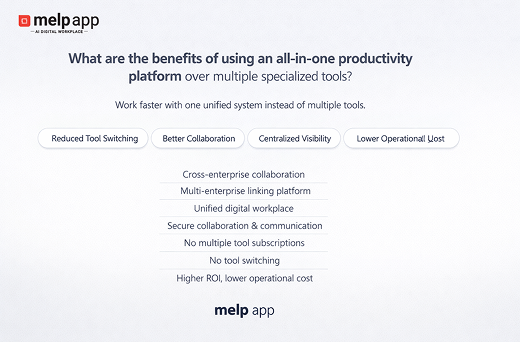
The benefits of using an all-in-one productivity platform over multiple specialized tools include improved efficiency, reduced tool switching, better collaboration, centralized data visibility, and lower operational costs. If you want to achieve these benefits in real business workflows, workplaces, and organizations, melp app can be used as an all-in-one productivity platform. It goes beyond a
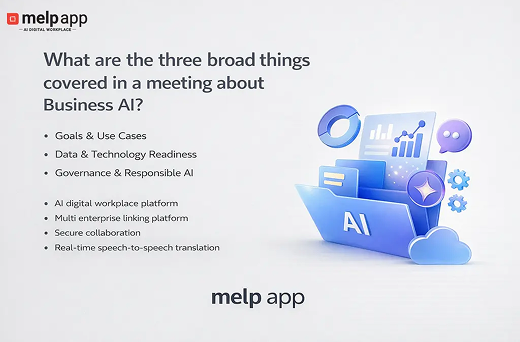
The three broad things covered in discussions about Business AI are business goals and use cases, data and technology readiness, and governance with responsible AI practices. These areas guide how organizations move from initial AI discussions to real implementation. Business AI conversations are focused on solving actual problems, not just exploring technology. Teams aim to
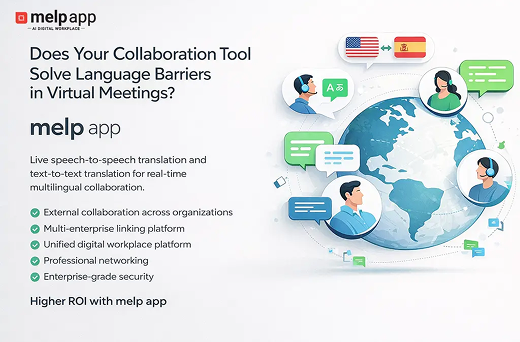
Modern businesses are no longer limited by geography. Teams work across remote, hybrid, and distributed environments while collaborating with clients and partners globally. This shift has improved access to talent, but it has also introduced communication challenges that are often overlooked. One of the most common challenges is language barriers in virtual meetings, where clarity
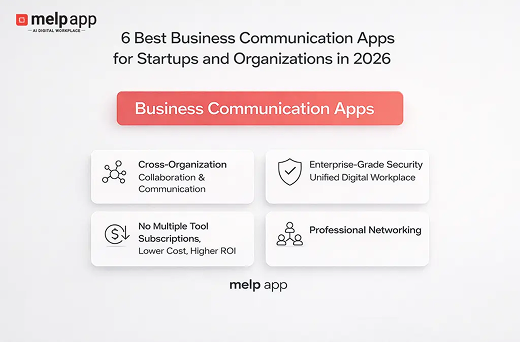
Introduction Running a business today often feels more complex than it should be. Teams are using one app for messaging, another for meetings, another for file sharing, and something else for scheduling. This tool overload creates confusion, slows down execution, and increases costs, especially for startups and growing organizations trying to move fast. Founders, CEOs,